

Many Norwegian Cruise Line first-timers book their cruise focused entirely on ports and itineraries, then discover something unexpected happens around day three or four. They stop checking their phone for the next shore excursion and start noticing how the ship itself has become their temporary neighborhood. Understanding when and how this psychological shift occurs can help you choose the right NCL ship and sailing length to maximize that 'home away from home' feeling that transforms a good cruise into something deeper.
Why NCL's Freestyle Cruising Accelerates the 'Home' Feeling
Norwegian's signature Freestyle Cruising philosophy removes the structured pressure that keeps many cruisers locked in 'vacation mode' rather than allowing them to settle into ship life. Unlike cruise lines that mandate formal nights and assigned dining times, NCL's approach means you stop planning your day around ship rules and start flowing with your natural preferences.
NCL's no formal nights policy plays a bigger role than most realize. When you can wear khakis and a polo to dinner at The Manhattan Room on Norwegian Breakaway, you're not constantly reminded that you're performing 'cruise passenger.' Instead, you slip into the rhythm of choosing restaurants based on what sounds good, not what the ship's schedule dictates. This flexibility extends to NCL's open dining concept across all main dining rooms and most specialty venues.
The Waterfront promenade on Breakaway class ships becomes your 'front porch' – a place to people-watch with coffee in the morning or wine in the evening. Unlike ships where public spaces feel like lobby areas, NCL designs these zones to feel lived-in rather than passed through.
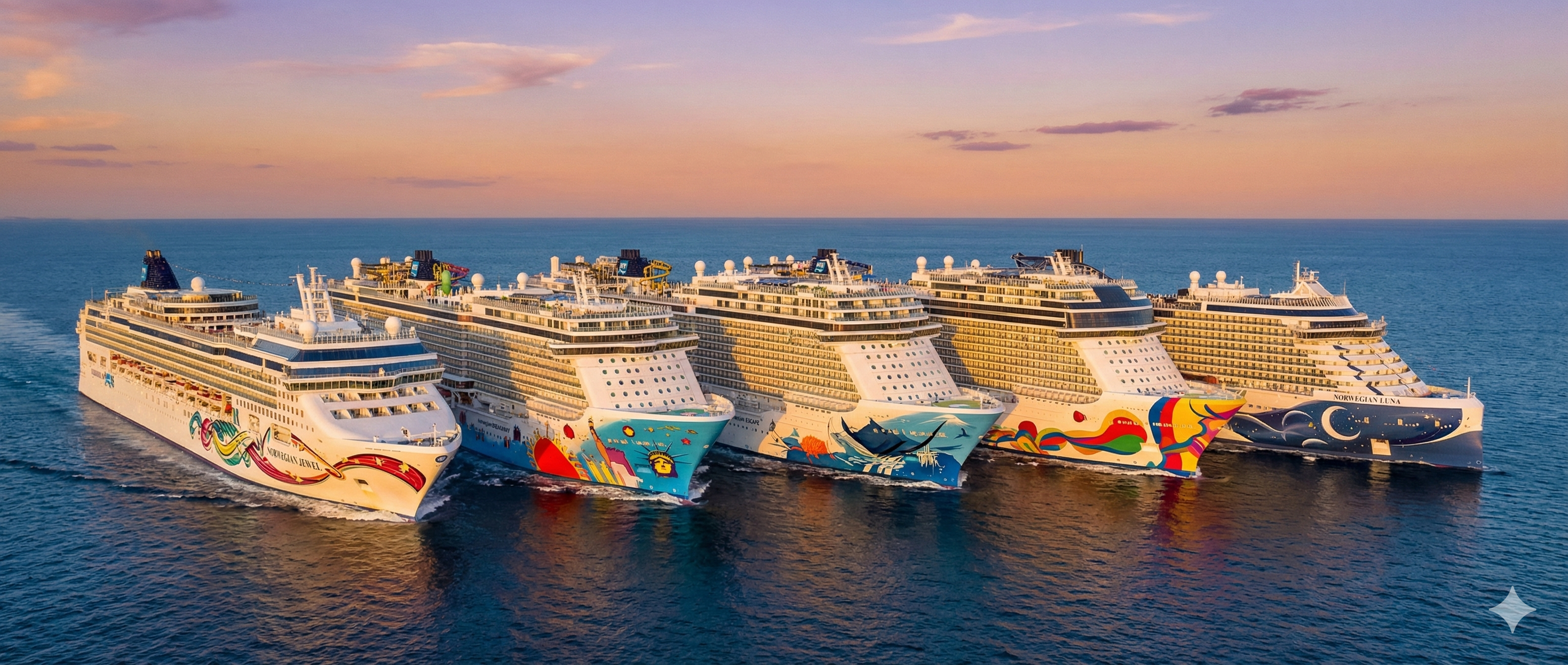
Ship Size and Layout: How Your NCL Choice Affects the Settling-In Timeline
Smaller NCL ships like those in the Jewel class create intimacy faster but may leave some guests restless if they need more activity options to feel truly settled. Norwegian Pearl's more limited dining venues and entertainment options mean you'll quickly establish routines, but you might crave variety by day five of a seven-day sailing. These ships work best for travelers who find comfort in simplicity and prefer getting to know fellow passengers more quickly.
The Waterfront promenade on Breakaway and Breakaway Plus class ships fundamentally changes how quickly you'll feel at home. This outdoor walking area lined with restaurants and bars becomes your neighborhood main street. Regular guests often describe developing preferences for specific Waterfront tables at 678 Ocean Place or Moderno Churrascaria's outdoor seating. Having this consistent 'address' on the ship accelerates the psychological shift from visitor to temporary resident.
Newer NCL ships feature more varied deck plans that support different moods throughout the day. Norwegian Prima's three-level race track and expanded outdoor spaces mean you can find your preferred spot for morning coffee, afternoon reading, and evening cocktails without feeling like you're repeating the same circuit. This variety prevents the restlessness that can keep you in tourist mode.
Sailing Length and the Psychology of Letting Go
Seven-day NCL cruises hit the sweet spot where most travelers stop mentally tracking days and start living in ship time around day four. This timeline isn't arbitrary – it typically takes three days to exhaust your 'must-do' cruise activities and settle into preferences. By day four on a Norwegian Caribbean sailing, you're choosing Teppanyaki because you enjoyed the chef's personality, not because it's on your cruise bucket list.
Shorter NCL sailings of three to five days rarely allow this psychological shift, keeping you in 'maximize every moment' mode rather than relaxed residence. The compressed timeframe keeps you photographing every meal at Cagney's and trying to experience every venue rather than developing genuine preferences. These shorter sailings work well for sampling NCL's style but don't provide the deeper satisfaction of truly settling in.
Longer NCL cruises of ten days or more risk the opposite problem – some guests get restless once the novelty wears off but before they've established the comfortable routines that define the 'home' feeling. Norwegian's 14-day transatlantic repositioning cruises can be perfect for travelers who embrace slow travel, but others find themselves bored by day eight when they've exhausted onboard activities but haven't yet shifted into a residential mindset.

Reading the Signs: When Your NCL Experience Shifts from Vacation to Temporary Home
The transformation reveals itself in subtle behavioral changes that signal you've stopped performing 'cruise passenger' and started living onboard. You stop photographing your food at Cagney's and start having genuine preferences about which specialty restaurant fits your mood. Instead of booking every available reservation, you might choose Moderno Churrascaria because you're craving the social atmosphere, not because you need to justify the specialty dining package.
Your relationship with crew members evolves from service transactions to brief but genuine connections. Your cabin steward becomes a familiar face you look forward to seeing, and you find yourself asking about their family or sharing stories about your hometown. The bartender at Sugarcane Mojito Bar remembers your preferred drink without being asked, and these small recognitions create a sense of belonging.
You begin choosing activities based on genuine interest rather than FOMO. Skipping the popular deck party because you prefer the quiet atmosphere in The Haven's observation deck feels natural rather than antisocial. You might spend an entire sea day reading by the adult-only Spice H2O pool area instead of checking off onboard activities, and that choice brings satisfaction rather than guilt.
The ship's rhythm becomes your rhythm. You know which elevators are fastest during peak times, when the Waterfront is most peaceful for morning coffee, and which deck chairs offer the best afternoon sun. These practical adaptations signal that you've moved beyond tourist navigation to resident familiarity.
Physical spaces start feeling like personal territory. You develop preferences for specific seating areas in the main dining room, favorite spots on the promenade for people-watching, and preferred times for visiting the thermal suite if you've purchased a spa pass. The ship stops feeling like a hotel and starts feeling like a floating neighborhood where you've found your preferred haunts.
Maximizing This Feeling: NCL Booking Decisions That Support Deep Relaxation
Interior cabins can actually enhance the 'home' feeling by encouraging you to spend more time in public spaces where you'll naturally meet other travelers and develop those neighborly connections. When your stateroom serves primarily as a place to sleep and change clothes, you're more likely to establish routines in common areas that become your living room, library, and front porch.
Booking NCL's beverage packages removes the mental math that keeps you in 'vacation spending' mode rather than relaxed enjoyment. When you can order a glass of wine at dinner or grab an afternoon cocktail without calculating costs, you slip into more natural consumption patterns. The unlimited beverage package transforms bars from special occasion venues into casual gathering spots.
Choosing repositioning cruises or less popular itineraries means fewer crowds competing for that settled, residential feeling. Norwegian's transatlantic crossings or off-season Caribbean sailings attract more experienced cruisers who understand the value of ship time versus port time. These sailings create space – literally and figuratively – for developing the relaxed routines that define the transition from vacation to temporary home.
← Back to Cruise Basics & What to Expector continue exploring, based on how you cruise